
- Home
- Services
- Vehicle Coverage
- Area Coverage
- Addlestone
- Albury
- Aldershot
- Ascot
- Ash
- Ashford
- Ashtead
- Ash Vale
- Badshot Lea
- Bagshot
- Barkham
- Binfield
- Bisley
- Blackwater
- Bracknell
- Bramley
- Brookwood
- Burnham
- Byfleet
- Camberley
- Charleshill
- Charvil
- Chertsey
- Chessington
- Chilworth
- Chobham
- Church Crookham
- Claygate
- Cobham
- Cookham
- Crondall
- Crowthorne
- Datchet
- Deepcut
- Dorking
- Earley
- Eashing
- East Clandon
- East Horsley
- Effingham
- Egham
- Elstead
- Epsom
- Esher
- Eton
- Eversley
- Ewshot
- Fairlands
- Farley Hill
- Farnborough
- Farnham
- Feltham
- Fetcham
- Finchampstead
- Fleet
- Frensham
- Frimley
- Godalming
- Great Bookham
- Guildford
- Hampton
- Hare Hatch
- Harmondsworth
- Hartley Wintney
- Hascombe
- Hayes
- Heckfield
- Hedgerley
- Hersham
- Holmbury St Mary
- Holyport
- Hook
- Hounslow
- Iver
- Jacobs Well
- Kingston-upon-Thames
- Knaphill
- Knowl Hill
- Leatherhead
- Long Ditton
- Maidenhead
- Mattingley
- Mayford
- Mickleham
- Milford
- Molesey
- Mytchett
- Ockham
- Odiham
- Old Windsor
- Owlsmoor
- Oxshott
- Palmers Cross
- Peaslake
- Peper Harow
- Pirbright
- Pyrford
- Reading
- Richmond
- Rotherwick
- Rowledge
- Runfold
- Sandhurst
- Shackleford
- Shamley Green
- Shalford
- Shepperton
- Shere
- Shinfield
- Slough
- Sonning
- Spencers Wood
- Staines-upon-Thames
- Stanwell
- Stoke D’Abernon
- Stoke Poges
- Sunbury
- Sunningdale
- Surbiton
- Sutton Abinger
- Swallowfield
- Taplow
- Teddington
- Thursley
- Tilford
- Tongham
- Twickenham
- Twyford
- Virginia Water
- Walton-on-Thames
- Wanborough
- Warfield
- Wargrave
- West Byfleet
- West Clandon
- Westcott
- West Drayton
- Weybridge
- White Waltham
- Windlesham
- Windsor
- Winkfield
- Winnersh
- Wisley
- Witley
- Woking
- Wokingham
- Woodley
- Worplesdon
- Wraysbury
- Wrecclesham
- Yateley
- Blog
- FAQs
- Contact

BMW Spare Key Programming

If you are interested in BOTR’s key programming services, click either use the above contact info or here. If you’re interested in learning how a BMW key is done, keep reading, or click here.
BMW key programming is rather complex because different models from different years have different modules. These modules need to be read directly to acquire the desired data. If you have an older BMW, this may be the procedure in programming a key to your car. Without a solderless adapter, I would normally have to solder a wiring harness onto this circuit board, and whilst this soldering is fairly straightforward, when you can use an adapter it is always beneficial as it eliminates a lot of risk.
When programming a key to EWS4, there’s many programmers that claim they can do it but OBD, but the safest and most reliable way is removing the module from the car and programming on bench.

The next step is to mount it onto its adapter and check the code on the main EEPROM chip. This is a 2L86D.
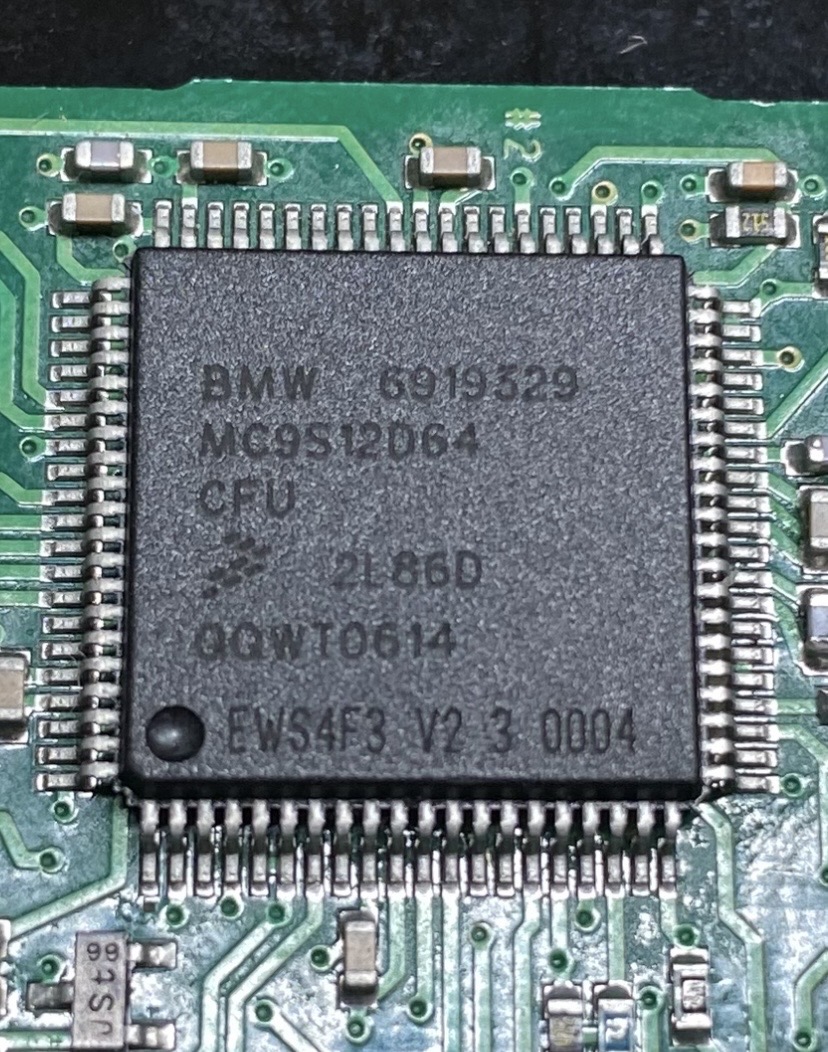
Moving over the my PC, I now have to select 2L86D from the dropdown.

My next step was to read the original data and save it. All of the coding that you see at the back is the data.

The next step is to analyse the data. This tells you what key slots are taken, locked or available to program to. It also tells you important information such as the VIN, vehicle mileage etc. For privacy purposes, I’ve blocked out the VIN and serial number.

As you can see below, I can program to either 5, 6 or 7. Dealers will always program keys to the next available slot (in this case, key slot 5). Therefore, I’ll program this key to key slot 7 to ensure it won’t get overwritten.

For this demonstration, I’m using a transponder chip which will be inserted into a key shell when this job is complete. Inside every key there is a transponder chip, and not many people know that it is this that dictates whether the key can start the engine it is inserted into.


Once you get the ‘Write Key OK’ notification, the data is now edited with the key written into it. The data must now be written back into the module.


Now that the data is written back to the module, once it is fitted back into the car, the key will now start the engine. There are a couple of things you can do to check this beforehand, however.
First, I read the new transponder chip to ensure the VIN number matched that of the module, and also that it was reading key slot 7.


The last check I like to do is connect up a test platform that emulates the role of an ignition switch. It plugs into the plug on the end of the circuit board, and when combined with 12V power it makes the module believe it is in the car.
When you drop the key onto the platform, if the green light comes on, it means the key is programmed to that module and will start the car. As you can see below, the green light is on so this key will start the car.

Thanks for reading!